

Company corporations, a fundamental entity key in the economic globe, offer as cars for carrying out business tasks under a lawful framework that offers limited obligation to their proprietors. A corporation is commonly developed by a team of individuals (shareholders) that spend resources into business, hence having shares that signify their components of ownership. This structure not just helps with the raising of capital by marketing shares however additionally establishes a clear separation in between the individual properties of the investors and the corporation's properties, which secures people from monetary risks associated with service failures. The governance of a corporation is normally taken care of by a board of directors chosen by the investors, which makes tactical decisions and looks after the general administration, appointing police officers like the chief executive officer, CFO, and others to manage daily operations.
The legal condition of a firm provides it special advantages such as perpetual existence, meaning it remains to exist even if one of the owners dies or offers their shares. This continuity offers stability and potentially boundless functional life-span, which is attractive to both investors and creditors. Furthermore, companies can be either personal or public. Public firms are those whose shares are traded on public stock exchanges, like the New York Supply Exchange, and go through strict governing oversight to shield investors. Private companies, on the other hand, do not offer shares to the general public and commonly have less shareholders. No matter the kind, the company framework allows organizations to achieve economic climates of range, take on significant capital-intensive projects, and draw in top talent by providing affordable benefits, consisting of stock choices.
Comprehending the Structure of a Service Corporation
An organization company, typically structured as a lawful entity separate from its proprietors, supplies a structure within which service tasks are carried out, assets are owned, and responsibilities are managed. This framework enables a company to become part of agreements, very own residential or commercial property, sustain debts, and be sued in its own name, instead of in the names of its shareholders. The splitting up of a company from its proprietors provides substantial benefits, notably the security of investors' personal possessions from company liabilities. This implies that investors are typically only economically responsible up to the quantity of their investments in the company. Corporations are governed by a board of supervisors, chosen by the shareholders, that make significant decisions consisting of appointing corporate police officers who manage everyday operations. what is inc company in usa sustains accountability and arranged decision-making, vital for large-scale service procedures. Furthermore, companies can elevate funding much more easily than various other organization kinds by releasing supplies, which represent possession shares in the firm. This ability to market shares to the public-- often seen in publicly traded business-- gives companies with a potent tool to money growth and foster development without calling for huge quantities of financial obligation. In addition, the perpetual presence of a firm, which proceeds no matter the condition of the investors, offers a steady framework for continuous organization activities, making it an appealing selection for numerous business owners and investors looking for long-term endeavors.
Understanding the Lawful Structure of Organization Firms
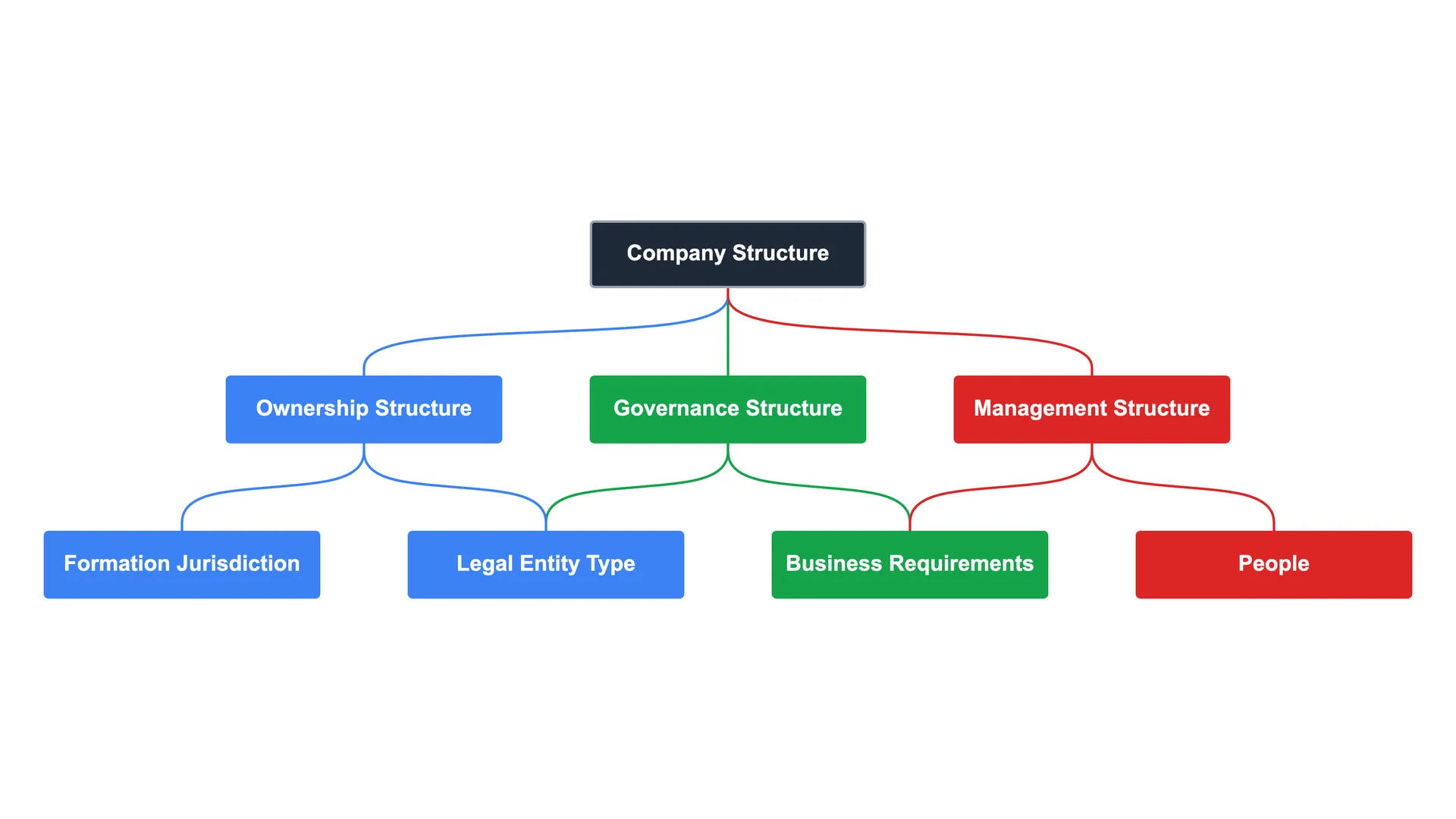
Organization firms stand as an essential framework on the planet of business, mostly differentiated by their ability to run as different lawful entities from their owners. This unique separation supplies investors with limited responsibility, suggesting their individual properties are shielded from service debts and legal actions versus the firm. A company's framework is made to promote increasing funding successfully through the sale of supplies, which represents possession in the firm. Capitalists are thus encouraged to invest, recognizing they are accountable only as much as the amount of their financial investment. This setup not only protects individuals yet also supplies a firm structure for the accumulation of resources, which can be important for expansive tasks or procedures. The administration of a corporation is one more crucial facet, normally overseen by a board of directors chosen by the investors. This board makes significant policy decisions and supervises the general management, making certain that the firm complies with its mentioned mission and complies with the needed governing bodies. Operational choices, nonetheless, are typically taken care of by the firm's policemans, such as the CEO, CFO, and various other execs, that take care of the day-to-day tasks. The clear demarcation between functions within business administration assists in keeping a balance in between oversight and functional implementation, which is important for large organizations. Moreover, corporations undergo particular governing needs, including routine financial coverage, which ensures transparency and responsibility. These needs, determined by bodies such as the Stocks and Exchange Compensation (SEC) in the USA, are designed to secure financiers and preserve public trust fund in the monetary markets. The extensive requirements for reporting and responsibility help avoid fraudulence and mismanagement, securing the economy and specific investments.
Additionally, the long-lasting nature of firms, having a potentially perpetual lifespan, allows them to prepare and spend in long-term projects that could be beyond the reach of various other kinds of company entities. This capability to transcend the constraints of private human lifetime and continually operate across generations offers an unique benefit in accomplishing enduring objectives and accumulating large resources. This quality has made corporations a dominant kind of business company in several sectors, driving technology, work, and economic growth on a significant range.
Recognizing the Structure and Governance of Organization Companies
Organization companies, frequently viewed as the foundation of the modern-day economy, run within a structure developed to balance the passions of various stakeholders, consisting of investors, workers, and the broader neighborhood. A typical corporation is structured via a tiered system where the board of supervisors plays an essential role in looking after the firm's calculated instructions and responsibility. These supervisors are elected by the investors and are in charge of making high-level plan choices and accepting significant firm methods. This governance model is developed to ensure that the monitoring activities line up with the passions of the capitalists and stick to lawful and moral criteria. Administration, led by the Ceo (CHIEF EXECUTIVE OFFICER), deals with the daily operations and implements the policies set by the board. The CEO, usually supported by a team of various other C-level executives, such as the Principal Financial Policeman (CFO) and Principal Operating Policeman (COO), works in the direction of driving the business in the direction of its calculated objectives, taking care of business sources successfully, and preserving an one-upmanship in the sector. company name search south africa serves not just to organize roles and obligations effectively yet also to facilitate responsibility and openness in business procedures. One more essential facet of company governance is the regulatory framework within which firms need to run. This consists of adherence to financial reporting requirements, moral company practices, and conformity with guidelines and laws designed to shield the legal rights of employees, customers, and the atmosphere. The performance of a business governance system can dramatically influence a firm's performance, credibility, and the count on it stimulates amongst capitalists and the public. Therefore, constantly boosting governance methods and frameworks is vital for preserving company stability and achieving lasting success.
Strategic Factors To Consider for Corporate Growth
As organizations progress in a vibrant international market, the calculated factors to consider that guide their development and advancement come to be increasingly important. Successful corporations thoroughly stabilize interior abilities with exterior chances, leveraging their strengths to capitalize on market fads and consumer demands. One crucial method involves diversification, which permits a business to spread its risks across various markets or products, possibly minimizing the influence of a recession in any solitary area. An innovation firm might expand right into associated areas such as cybersecurity or cloud services to not just improve its earnings streams however likewise to build an extra resistant service model. Just as vital is the concept of mergers and procurements (M&A), which can supply rapid growth and accessibility to brand-new markets and technologies. Nonetheless, M&An activities need complete due diligence and calculated positioning to make certain that they contribute positively to the business's long-term objectives. One more vital facet of business method is innovation, which demands a commitment to r & d (R&D). Investing in R&D aids a corporation stay in advance of technological innovations and market changes, thus enduring its one-upmanship. Lastly, critical collaborations can be a formidable device, allowing services to leverage each other's staminas in quest of mutual benefits. These partnerships can aid business get in brand-new markets extra easily, share the monetary worry of huge projects, and collaborate on technology development, which may be complex or also pricey to take on alone. Each of these calculated considerations need to be underpinned by a durable understanding of the business's core proficiencies and the external environment, guaranteeing that choices are both positive and notified.